Magic 1

Magic 1 is the overview of the role of magicians in an Indo-European society. Students will learn a basic magical system at an introductory level and study ancient Indo-European conceptions of magic and their relation to modern magical principals. The primary goal of this course is to for the student to become more aware of the concepts and models of magic in the Indo-European world, as well as some of their modern translations and equivalents.

Exit Standards:

1. Discuss the importance of the action of the magico-religious function as it is seen within the context of general Indo-European culture. (minimum 100 words)

[Introduction to questions two and three: As different Indo-European societies developed, the figure of the magician in those societies evolved in differing ways, for example: in Roman society the magical function evolved, it was divided away from the priestly function and regulated by a different set of laws while in the evolution of Gaelic culture the magical and priestly functions remained entwined within the same cultural functionary.]
2. Discuss your understanding of the evolution of the magician from early to late periods within one Indo-European culture. (minimum 300 words)

3. Compare and contrast the culturally institutionalized position of the magician within at least two Indo-European cultures. (minimum 300 words)

4. Identify the terms used within one Indo-European language to identify ‘magic’ and ‘magician’ examining what these terms indicate about the position of the magician and the practice of his or her art. (minimum 100 words)

5. In Norse culture we see magic divided into to primary methodologies known as Galdr and Seidhr. Galdr is very much the formal magic of sound, word and poetry meaning literally to intone while Seidhr is the magic of the spirits and is used by the folk in their everyday lives to assist in their crafts and arts. Compare the methodologies of spoken word magic and spirit magic and discuss their cultural significance within at least one Indo-European culture. (minimum 300 words)

6. Discuss the existence and relative function of trance-journey magic within at least one Indo-European culture. (minimum 100 words)

7. Discuss the place of alphabetic symbolism (runes, Ogham, Greek letters, etc) as part of the symbolism of magical practice within one Indo-European culture examine how this alphabet may or may not relate to the earlier sound, word and poetic magical methodologies. (minimum 300 words)

8. Discuss three key magical techniques or symbols from one Indo-European culture. (minimum 100 words each)

9. Discuss the relative place and methodologies of magic within your personal religious/spiritual practice. (minimum 100 words)

10. Into which basic categories would you divide magical arts and how do you see those categories functioning within the context of ADF? (minimum 300 words)

Share:

Latest Posts

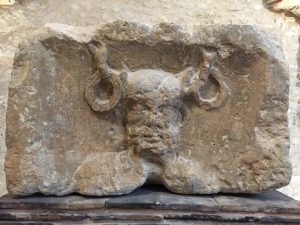
An antlered, bearded head with torcs hanging from the antlers, text "ERNVNNO" at top

The Nautes Pillar (Pillar of the Boatmen)

An examination of the Nautes Pillar, also called the Pillar of the Boatmen, in the Musée de Cluny in Paris, with photos of all faces of the pillar, a video walkthrough, and details on the history of the pillar as we know it. Includes a discussion of the Cernunnos, Esus, and Tarvos Trigaranus faces, and the dedication.

Crane Chatter Header

Crane Chatter for Imbolc

While we work on getting these Crane Chatter issues onto the Three Cranes Grove, ADF, website, I need a place to host them, so this

Scroll to Top