General Bardic Studies for Liturgists 1

The student is encouraged to examine examples of poetry and story critically by comparing works from within one culture from different historical eras and by comparing the works of writers of the same era in different cultures. The student will begin to write original poetry appropriate to a seasonal ritual.

Exit Standards:

1. Write two poems of at least 16 lines each appropriate for performance at a High Day ritual. One poem may be in free-verse form, but one must employ some form of meter and/or rhyme. Note in each case for which High Day the poem is intended.

2. Compare and contrast examples from the work of three poets in one cultural tradition from at least two historical eras. (minimum 300 words of the student’s original essay material beyond the verses provided, at least one poem per poet)
3. Compare and contrast examples from the work of two poets of the same historical era from two different cultural traditions. (minimum 300 words of the student’s original essay material beyond the verses provided at least two poems per poet)

4. Compare and contrast two mythological or folkloric tales from two Indo-European cultures. Include a discussion of the use of narrative point-of-view, the element of time, and any relevant issues of religious (or other) bias influencing the narrative. (minimum 600 words)

Share:

Latest Posts

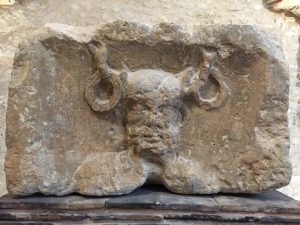
An antlered, bearded head with torcs hanging from the antlers, text "ERNVNNO" at top

The Nautes Pillar (Pillar of the Boatmen)

An examination of the Nautes Pillar, also called the Pillar of the Boatmen, in the Musée de Cluny in Paris, with photos of all faces of the pillar, a video walkthrough, and details on the history of the pillar as we know it. Includes a discussion of the Cernunnos, Esus, and Tarvos Trigaranus faces, and the dedication.

Crane Chatter Header

Crane Chatter for Imbolc

While we work on getting these Crane Chatter issues onto the Three Cranes Grove, ADF, website, I need a place to host them, so this

Scroll to Top