General Bardic Studies 1

General Bardic Studies 1 is an overview of the cultural and ritual roles of Bards and bardic arts in historical times, the modern Neopagan community, and Ar nDraiocht Fein in particular. Students will research a variety of bardic expressions in the context of two or more ancient Indo-European cultures, describe a variety of bardic forms or styles and a bardic figure, and gain practical experience using bardic arts in a ritual context.

Exit Standards:

1. Indo-European Culture: Discuss in general terms the bardic arts prevalent within a single (preferably ancient) Indo-European culture; explain how those bardic arts fit into that culture and religion. (300-600 words)

2. Genres: Describe four “genres” of bardic arts, at least one of which must be poetry. For each genre, compare and contrast its appearance and/or use in two single (preferably ancient) Indo-European cultures. The two cultures need not be the same for all four genres. (300 words each)

3. Forms/styles: Describe four forms or styles of bardic arts in either ancient or modern times or a combination of each. Include examples of each form. At least one such description should be for a poetic form; the remainder can be for any bardic form or style. (100 words each [examples not to be included in word count])

4. Bardic Figure: Describe the life, fame and general techniques of a historical or mythical bardic figure in a (preferably ancient) Indo-European culture. (300 words each)

5. Role of the Modern Bard: Describe the role of the modern-day, Neopagan bard in the context of ritual (100 words), Ar nDraiocht Fein (100 words) and the greater Neopagan community (100 words).

6. Practical Bardry: Compose or find a bardic piece (of any appropriate genre or form) suitable for ADF ritual. Describe the process you used for discovery and/or composition of the piece and how it was (or could be) used effectively in a ritual context. (100 words [text of piece not to be included in word count])

Share:

Latest Posts

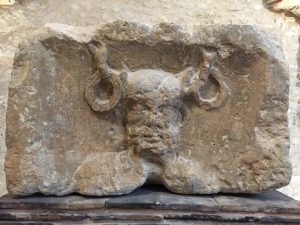
An antlered, bearded head with torcs hanging from the antlers, text "ERNVNNO" at top

The Nautes Pillar (Pillar of the Boatmen)

An examination of the Nautes Pillar, also called the Pillar of the Boatmen, in the Musée de Cluny in Paris, with photos of all faces of the pillar, a video walkthrough, and details on the history of the pillar as we know it. Includes a discussion of the Cernunnos, Esus, and Tarvos Trigaranus faces, and the dedication.

Crane Chatter Header

Crane Chatter for Imbolc

While we work on getting these Crane Chatter issues onto the Three Cranes Grove, ADF, website, I need a place to host them, so this

Scroll to Top